The New Road Ahead: Inclusive Car Design Inspired by Women on the wheels.

The New Road Ahead: Inclusive Car Design Inspired by Women on the wheels.

Introduction:

If you asked most people what their dream car is, you’d probably hear names like Lamborghini, Porsche, or some fancy luxury brand. But me? I’d pick the Batmobile — the Tumbler, to be exact. The one that jumps, flies, and basically crushes any road that dares to challenge it.
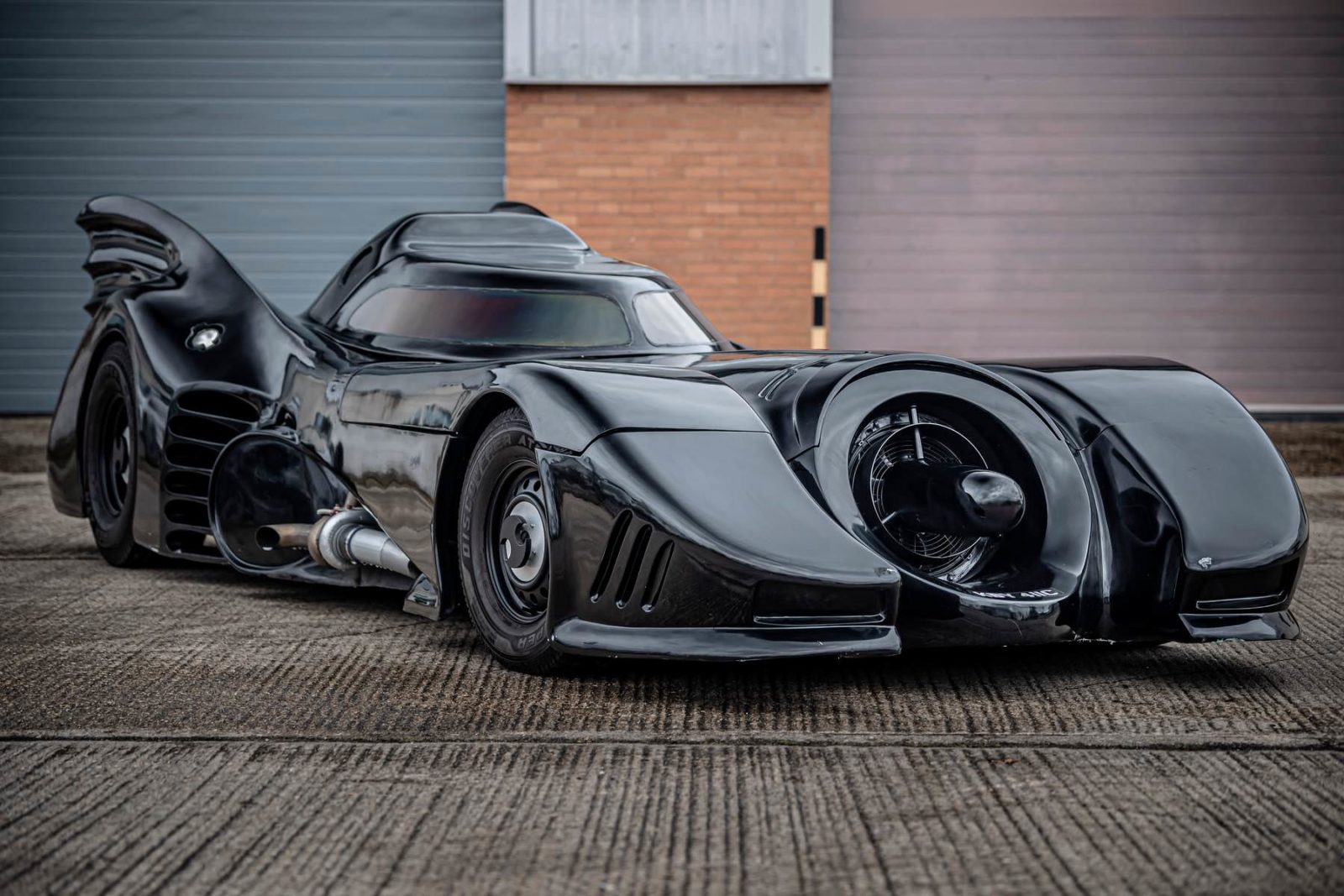
Image Credit:https://silodrome.com/wp-content/uploads/2022/04/1989-Batmobile-Tim-Burton-Replica-22-1600×1067.jpg

Honestly, there are days I wish I could just fly over traffic or drift sideways into a tight parking spot. That sideways-driving feature? Absolute game-changer. Oh, if only real cars had that!

But coming back to reality — and building on my earlier blog, Women Behind The Wheel – An Untapped Advantage — I started thinking more seriously about what features could actually make driving better for women. So, I did a small survey to hear directly from female drivers about their experiences and what they’d love to see changed or added in cars.

The responses were wide-ranging — from smoother handling and better seating to smarter safety and simpler infotainment. A few points really stood out, and they made me want to push even harder for thoughtful, inclusive design.

Here are the top suggestions that came up:

1. Ergonomic Seating & Controls:

One of the first things that stood out in the survey was how many women—about 66.7%—said they use their cars mainly for commuting to work or school runs. Sounds routine? But what’s not so routine is the effort it takes just to get a clear view of the road. Many women mentioned how they constantly have to adjust the seat height, and some even carry extra cushions just to feel more comfortable and confident while driving. Most cars are still designed with the “average male” in mind. Only one in ten test drivers is a woman—so naturally, the results skew toward what works best for Adam, not Eve. Solution: Seat adjusters in all dimensions can be more considerate keeping women in mind.

    2.Safety Should Feel Smooth and Effortless:

    Another big concern was the seat belt. Something so basic, yet it causes real discomfort for many women. Most seat belt pivot points are positioned so high that it becomes another chain wrapping around their neck. For many women, this results in the belt cutting uncomfortably across the neck, acting more like a sharp edge than a safety device. Not the first time that a she faces such an irony, right? The issue becomes even more pronounced for women with heavier busts, those who are obese, or pregnant drivers, where the seat belt presses tightly against the chest or stomach. Something as simple as an adjustable belt height or cushioned belt material could significantly improve comfort and safety for all body types—making every drive feel more inclusive and effortless.

    Image Credit:https://www.newsmax.com/CMSPages/GetFile.aspx?guid=9e92257c-b2af-4d41-94e6-766e59f94d82&SiteName=Newsmax

    3. Accessible Utility Tool:

    Next in ranking the top three priorities from Eve’s perspective is the need for more accessible and intuitive car tools. Many women drivers expressed using Lightweight tools jacks that doesn’t require a gym membership reduce physical strain. Replacing the old school manual booklet with user-friendly video guides or interactive infotainment-based instructions could make a world of difference. On the safety front, including temporary Tyre inflators as part of the standard toolkit can help drivers manage roadside emergencies with more confidence and less dependence.

      4. Convenient Comfort Features:

      This one is close to my heart—and something I truly wish every car manufacturer would universally adopt. Comfort isn’t just about aesthetics; it’s about making long hours behind the wheel less taxing. Features like seat ventilators are a blessing, especially in hot and humid cities like Chennai, where even a short commute can feel exhausting. Going a step further, redesigning seats to include subtle massagers or gentle warmers can offer much-needed relief—particularly during those shark week, days. Small additions like these don’t just enhance comfort; they acknowledge real, lived experiences that many women navigate silently.

      Image Credit: https://www.electronicshub.org/wp-content/uploads/2022/07/Car-Seat-Massager.jpg

      5.Smart Infotainment Systems & Interior Design:

      Ease of use and thoughtful design were recurring themes in the responses I received. Voice-activated infotainment systems with minimal screen clutter were among the most requested features—designed to reduce distraction and keep drivers focused. Many women also emphasized the need for confidence-boosting tech like 360° cameras, blind spot detection, and voice-guided parking assistance. Beyond functionality, interior layout mattered just as much. Hidden compartments for handbags, secure storage for essentials, and cleaner dashboard designs were frequently mentioned proof that thoughtful design isn’t just about luxury, but about listening to real needs and daily habits.

      Conclusion:

      After hearing all these insights, one question echoes in my mind—

      “Why separate the genders? isn’t driving common experience?” Yes, driving is universal. But how we experience it isn’t always equal. This blog isn’t about dividing drivers—it’s about highlighting real, lived experiences that often go unheard in mainstream design rooms. It’s about saying, “Hey, your comfort matters. Your safety matters. Your voice matters.”

      When we start designing cars that truly consider the needs of all drivers—not just the average male prototype—we don’t just make driving better for women. We make it better for everyone. Because at the end of the day, a great car isn’t just one that performs well—it’s one that understands who’s behind the wheel.

      END

      WOMEN BEHIND THE WHEEL – AN UNTAPPED ADVANTAGE!

      Women Behind the Wheel - An Untapped Advantage

      Introduction:

      When I began searching for a topic for my blog, I eventually decided to focus on the perception of female drivers—and how others perceive them. After conducting interviews and collecting feedback from my colleagues, I came to some striking conclusions about how women are viewed behind the wheel.

      One of my favorite thinkers, Activist, Vandana Shiva, once noted that the world has long been shaped from a male point of view. From the earliest stages of civilization, even the foundation of a country’s economy was redefined with men in mind. Commercial transactions—buying and selling—were valued more than the unpaid labor women did at home, such as cooking, cleaning, and caring for families.

      So, if something as fundamental as the economy has been projected through a male lens, it’s no surprise that car manufacturing and design have historically not prioritized women’s needs. In that context, the way female drivers are perceived—and how little their preferences have shaped car design—is part of a much broader pattern.

      Hard-Core Truths and Perceptions

      Given the facts and viewpoints above, here are some Hard-core truths which—when seen from both male and female perspective—could spark fresh market potential for car manufacturers.

      1. Full Women-Exclusive Cars May Not Be Commercially Sustainable

      When Honda first launched a scooter designed exclusively for women, it initially captured a specific segment of the market. However, due to its practical design and comfort, many men began using it as well—and eventually became loyal fans. This example highlights an important insight: while the automotive market is still largely shaped by male preferences, incorporating features that cater to women can significantly broaden a vehicle’s appeal.

      That said, developing a car solely for women may not be as commercially viable as creating vehicles with adaptable features that must be appealing to both genders. Rather than designing an exclusively female-focused car, manufacturers can find greater success by enhancing existing models with thoughtful additions or modifications that address women’s needs—without alienating male buyers. This inclusive approach is more likely to result in wider market acceptance and profitability.

      2. Exclusive Over Inclusive: The Missed Reality in Designing for Women

      When it comes to addressing the needs of female drivers, the focus is generally on subtle yet impactful design modifications rather than a complete overhaul of vehicle models. Enhancements in ergonomics and comfort—such as adjustable pedals, lower dashboard heights, improved seat alignment, and easier-to-reach controls—are designed to accommodate the average body proportions of women. These thoughtful additions not only improve usability but also act as strong selling points in a competitive market.

      However, it’s important to note that no major overhauls or full-scale redesigns are typically made exclusively for female drivers. The automotive industry usually opts to integrate female-friendly features into existing models rather than developing entirely separate models for women.

      3. Challenging the Bias: The Misconception of Female Driving Experience

      One of the most persistent and disappointing perceptions held by many men is that women have less driving experience, especially when it comes to passenger vehicles. As a woman with substantial driving experience myself, I was genuinely surprised—and disheartened—to hear such assumptions still exist.

      The reality is, with fewer women on the road, many become more cautious and deliberate in their driving. This often translates into slower speeds and more careful decision-making—traits that are unfairly judged as inexperience by some impatient male drivers. Rather than recognizing these habits as signs of responsibility or safety consciousness, the tendency is to dismiss them as weakness or lack of skill.

      To me, this mindset reflects more than just personal opinion—it reveals a deeper sense of entitlement and superiority rooted in a male-dominated driving culture. It’s a form of conceit that has been normalized over time, despite evidence showing that women are often safer and more rule-abiding drivers and with fewer accident records.

      4. Beyond Bias: Building Confidence Through Practice and Participation

      Apart from the sense of entitlement often seen in male-dominated driving spaces, I believe there’s also room for improvement in terms of common sense, responsibility, and discipline among female drivers. These qualities don’t appear overnight—they develop through regular practice, exposure, and real-world experience on the road.

      The key to fostering this growth is encouragement and participation. By motivating more women to take up driving, we not only help build their confidence and skills but also contribute to shaping a more balanced, responsible driving culture overall. In turn, this can support the expansion of the female driving market—creating demand for products, services, and vehicles that reflect their preferences and needs.

      Conclusion: A Shift in Perspective, A Step Toward Progress

      Designing for women in the automotive world shouldn’t be treated as an afterthought or a marketing checkbox. While the industry has made progress by integrating inclusive features into existing models, the deeper issue lies in the lack of exclusive consideration for female drivers’ unique needs and preferences.

      Real change begins with challenging outdated perceptions, encouraging more women to drive, and involving them in design decisions—not just as users, but as innovators and contributors. By doing so, manufacturers don’t just make better vehicles; they tap into a powerful, loyal, and growing segment of the market.

      The future of driving is not male or female—it’s inclusive by design, and that inclusivity starts with understanding that “one size fits all” doesn’t fit everyone. It’s time the automotive industry truly listened to the voices of women—because when they do, everyone benefits.

      Fedrus’s Approach to Staff Augmentation

      Fedrus's Approach to Staff Augmentation

      Introduction: Building Stronger Teams, One Skill at a Time

      In today’s fast-paced world, the need for highly skilled professionals is growing more than ever. But at Fedrus, we believe that staff augmentation is about more than just filling a position. It’s about growing people and ensuring they have the skills they need to thrive, not just today but in the future. We’re committed to developing our team’s abilities through continuous training and support, and in turn, creating a workforce that’s always ready for the next challenge.

      Training Programs That Empower and Inspire

      At Fedrus, we focus on more than just technical skills—we believe in the whole person. That’s why we offer a variety of training programs that support both professional growth and personal development:

      Onboarding and Orientation

      From the very first day, we want new hires to feel welcome and confident. Our onboarding process is designed to make sure everyone understands our culture, values, and the tools they’ll be using. It’s all about setting the stage for success from the start.

      Staying Current with Technical Skills

      Technology evolves quickly, and so do we. We keep our employees up-to-date with the latest tools, practices, and trends. This ongoing technical training ensures they are equipped to handle the most current challenges in the industry.

      Soft Skills to Build Strong Relationships

      Being technically skilled is important, but we also believe in the power of people skills. Whether it’s communication, leadership, or emotional intelligence, we provide training that helps our employees grow in ways that matter most in the workplace.

      Mentorship and Peer Learning

      We believe the best way to grow is by learning from each other. Our mentorship program pairs experienced team members with newer hires, offering guidance, support, and wisdom. Additionally, our peer learning sessions allow employees to share their knowledge and experiences, learning from each other’s successes and challenges.

      Cross-Training to Keep Things Fresh

      At Fedrus, we want employees to feel engaged and flexible. That’s why we offer cross-training opportunities, allowing team members to rotate through different roles or projects. This helps them grow their skill set and keeps their work experience diverse and exciting.

      Personalized Development Plans

      Every employee’s journey is unique. That’s why, during performance reviews, we create personalized development plans with specific goals for growth. It’s all about ensuring our employees have the support and resources to reach their full potential.

      Why Investing in Skill Development Pays Off for Employers

      Investing in employees isn’t just good for them—it’s great for the company too. Here’s how:

      Boosting Productivity

      Well-trained employees get more done in less time. They’re more efficient, more accurate, and more confident in their work, which means projects get completed faster and with better results.

      1. Keeping Great Talent Around

      Employees who feel valued and supported are much more likely to stick around. By offering opportunities for growth, we help build loyalty and reduce turnover.

      2. Cutting Down on Hiring Costs

      By investing in internal training, companies can fill skill gaps without constantly looking for new hires. This reduces recruitment costs and makes sure your team is always ready to step up.

      3. Attracting Top Talent

      When you’re known for developing your team, you become an employer of choice. Offering opportunities for growth makes it easier to attract and recruit the best talent in the industry.

      4. Creating Happier Customers

      Employees who have the right training and skills are better equipped to meet client needs. This leads to stronger relationships, higher customer satisfaction, and ultimately, better business results.

      5. Bridging Skill Gaps

      Regular training ensures that your employees are always learning and evolving. By identifying and filling skill gaps proactively, we make sure teams are always ready for what’s next.

      Conclusion: A Win-Win for Employees and Employers

      At Fedrus, we see skill development as an ongoing investment that benefits everyone involved. We’re committed to providing our employees with the tools, training, and mentorship they need to grow—and we know that when they succeed, our clients and the company succeed too. By focusing on long-term development, we’re not just preparing our team for today’s challenges—we’re equipping them for tomorrow’s opportunities.
      In the end, it’s all about creating a cycle of growth, support, and success.

      The Future of EVs in India: Charging Infrastructure, Upcoming Models & Industry Insights!

      The Future of EVs in India: Charging Infrastructure, Upcoming Models & Industry Insights!

      The electric vehicle (EV) revolution is picking up pace in India, driven by government policies, technological advancements, and increasing consumer awareness. One of the critical aspects of this transition is the availability of EV charging stations, which directly impact the growth and adoption of electric vehicles. This blog explores the significance of EV stations, upcoming EV models, and insights from the Fedrus study on EV infrastructure in India.

      1. Importance of EV Charging Stations

      EV charging infrastructure is the backbone of the electric mobility transition. Here’s why these stations are crucial:

      2. Upcoming EV Vehicles & The Future of Electric Mobility

      The Indian automobile industry is gearing up to introduce several new electric vehicles, catering to various segments. Some of the most anticipated upcoming EVs include:
      The future of electric mobility in India looks promising with advancements in battery technology, charging speed, and affordability. As more manufacturers enter the space, competition will drive innovation, leading to better EV options for consumers.

      3. Fedrus Study on EV Charging Stations in India

      Fedrus Global’s recent study on EV charging stations across India provides valuable insights into the current infrastructure and future expansion plans. India’s electric vehicle (EV) revolution is accelerating, and the expansion of charging infrastructure plays a pivotal role in this transformation. According to recent data, key cities like Srinagar, Ahmedabad, Mumbai, Bengaluru, and Chennai are witnessing rapid growth in EV charging stations, with high-capacity chargers ranging from 30 KW to 120 KW. Companies like Statiq, BPCL, and Shell Recharge are leading this expansion, ensuring convenience for EV users while promoting sustainability. The Fedrus Global report highlights the increasing adoption of solar-powered charging solutions and public-private partnerships driving infrastructure growth. As India moves towards a greener future, a robust EV charging network will be instrumental in boosting adoption and reducing carbon emissions.

      Key takeaways from their report include:

      Conclusion:

      The EV revolution in India is well underway, and the development of a strong charging infrastructure is key to its success. With new EV models set to hit the market and increased investment in charging networks, the future of electric mobility looks bright. Fedrus Global’s study highlights the rapid expansion and innovation in the sector, paving the way for a cleaner and more sustainable transportation system in India.

      A Guide to Vehicle HVAC Performance Testing: Ensuring Comfort in Any Weather

      A Guide to Vehicle HVAC Performance Testing: Ensuring Comfort in Any Weather

      When it comes to driving, comfort is key—and one of the main factors contributing to comfort is the vehicle’s HVAC (Heating, Ventilation, and Air Conditioning) system. Whether you’re driving in the heat of summer or braving the cold of winter, you rely on your HVAC system to maintain a comfortable cabin temperature. But how do we make sure these systems are up to the task? Through HVAC performance testing, of course!
      At Fedrus Engineers, we specialize in testing and optimizing automotive HVAC systems to ensure they perform at their best, no matter the weather. In this blog, we’ll walk you through the essential steps and methods for testing vehicle HVAC systems, ensuring they provide optimal comfort in both hot and cold conditions. From the correct use of thermocouples to the best ways to test in extreme temperatures, we’ve got you covered with our expert testing methods.

      Hot & Cold Region HVAC Performance Tests

      First things first: there are two primary types of tests we need to focus on for an HVAC system—cooling performance and heating performance.
      At Fedrus Engineers, our skilled team handles both hot and cold region tests with precision to ensure your HVAC system is fully optimized.

      Step 1: Picking the Right Thermocouple

      Now, let’s talk about the tools we use for these tests—specifically, thermocouples. These are essential for accurately measuring temperature in different parts of the vehicle. But not all thermocouples are the same, so picking the right one is crucial.
      Fedrus Engineers ensures the right thermocouple is selected based on the specific temperature range expected during testing, guaranteeing precise and reliable results.

      Step 2: Preconditioning the Vehicle

      Before diving into the actual testing, we need to get the vehicle ready. Just like a person needs to warm up before running a race, the vehicle needs to “warm up” or “cool down” to properly simulate hot or cold conditions.
      This preconditioning ensures that the system is tested under realistic conditions, giving us a true sense of how it will perform when you’re actually driving.

      Step 3: Thermocouple Probe Placement

      Here’s where the real action happens. Proper placement of thermocouple probes is key to gathering meaningful data. It’s not just about measuring the temperature; it’s about measuring it in the right spots to get a true picture of how the HVAC system is performing. Here are the key places to put those probes, all carefully handled by Fedrus Engineers:

      Other Considerations

      Conclusion: Why It Matters

      Proper HVAC testing is more than just a checklist—it’s about ensuring that your vehicle can keep you comfortable in any season. At Fedrus Engineers, we take pride in using the best tools and techniques to ensure your HVAC system is fully optimized. From selecting the right thermocouples to carefully placing probes for accurate data collection, our engineers make sure your vehicle’s HVAC system performs efficiently in all conditions.
      Whether you’re testing for cooling efficiency in the summer heat or ensuring your defrost system works in the winter, Fedrus Engineers guarantees reliable, professional testing that helps ensure comfort and safety in every drive. Let us take care of your HVAC system, so you can drive with confidence, no matter the weather outside.

      How AI is Shaping the Future of IT At Fedrus!

      How AI is Shaping the Future of IT At Fedrus!

      In today’s fast-paced world, technology is evolving faster than ever, with Artificial Intelligence (AI) leading the charge. While AI is making waves across various industries, its impact on Information Technology (IT) is particularly profound. From automating routine tasks to enhancing cybersecurity and providing smarter insights, AI is becoming an essential part of the IT landscape.
      So, how is AI shaping the future of IT, and where does Fedrus Engineers fit into this transformation? Let’s explore the key ways AI is revolutionizing IT and how we’re contributing to this shift

      1. Automating Routine Tasks

      One of AI’s most significant impacts on IT is its ability to automate repetitive and mundane tasks. IT professionals spend a significant amount of time managing routine processes like software updates, troubleshooting, and data backups. AI-powered tools can handle these tasks with minimal human intervention, freeing up valuable time for IT teams to focus on more strategic initiatives.
      For example, AI-driven chatbots are increasingly used for customer support, troubleshooting common issues, and resolving user queries. This not only improves efficiency but also ensures that support is available 24/7, reducing downtime and enhancing customer satisfaction.

      2. Enhancing Cybersecurity

      As cyber threats become more sophisticated, traditional security methods are no longer enough to protect sensitive data and systems. AI is revolutionizing the way we approach cybersecurity by enabling real-time threat detection and response.
      AI can analyze vast amounts of data, identify patterns, and predict potential vulnerabilities or attacks before they happen. Machine learning algorithms can continuously adapt to new threats, providing proactive security measures. This shift from reactive to proactive security is essential in an era where cyberattacks are becoming more complex and frequent.
      For IT professionals, AI’s role in cybersecurity is a game-changer, offering an extra layer of protection and reducing the risk of breaches or data loss.

      3. Predictive Analytics for IT Operations

      AI-driven predictive analytics help IT teams anticipate issues before they occur. By analyzing historical data, AI can predict when hardware might fail or when systems need maintenance, reducing downtime and improving efficiency.

      4. Smarter Data Management

      As data grows, AI makes it easier to manage and analyze. It quickly processes vast amounts of data, uncovering insights that would take humans much longer to identify. For IT teams, this means more powerful tools for better decision-making and business growth.

      5. Optimizing Cloud Computing

      AI is also playing a pivotal role in the future of cloud computing. Cloud services are already widely used by businesses for data storage, software deployment, and more, but AI is taking these services to the next level.
      AI-powered cloud solutions can optimize resource allocation, automate load balancing, and improve system performance. Additionally, AI is improving cloud security by detecting vulnerabilities and ensuring data privacy.
      For businesses, the combination of AI and cloud computing provides more flexible, scalable, and cost-effective IT solutions, while for IT teams, it streamlines cloud management and enhances operational efficiency.

      6. Personalizing User Experiences

      AI tailors user experiences based on individual behavior and preferences. For IT systems, this means smarter, more intuitive applications. Personalization helps businesses engage users and allows IT teams to build more adaptive systems.

      7. AI-Driven IT Support

      AI is also revolutionizing the way IT support is delivered. Traditional IT support often involves long wait times, manual troubleshooting, and repetitive tasks. AI is changing that by offering intelligent, automated solutions that can resolve issues quickly and efficiently.
      AI-driven IT support tools, like virtual assistants, can help users resolve common IT issues without the need for human intervention. By leveraging natural language processing (NLP) and machine learning, these AI systems can understand user queries, analyze issues, and provide immediate solutions—often without involving an IT professional at all.
      This shift not only enhances the speed and efficiency of IT support but also helps businesses save costs and improve overall satisfaction.

      Conclusion: Embracing the Future with AI in IT

      AI is undeniably transforming the IT landscape, offering unprecedented opportunities for automation, security, analytics, and personalization. From improving IT operations to revolutionizing cloud computing and cybersecurity, AI is poised to redefine how IT systems are managed and utilized.
      For businesses, adopting AI in IT means more efficient, scalable, and intelligent solutions that can enhance productivity, reduce costs, and drive growth. For IT professionals, AI presents new challenges and opportunities to learn, innovate, and improve systems.
      As we look toward the future, it’s clear that AI will be at the forefront of IT innovation, paving the way for smarter, more efficient technologies that will shape the way we work and interact with digital systems for years to come. Embracing AI today is not just an option; it’s essential for staying ahead in the rapidly evolving world of IT.